Samford Village
About Samford Village
Samford Village, known as Samford until 1981, is surrounded on three sides by Samford Valley.
After the subdivision of farms into acreage homesites commenced in the 1960s, Samford became a desirable rural residential address and hundreds of residents now commute from their homes to work in Brisbane. Only a small number of fully functioning farming properties still remain.
Samford Village is an idyllic picture of relaxed country living, it’s located close to the city but still feels a world away with its rolling hills, wide open spaces and country charm.
The town centre is a number of preserved heritage buildings, a fascinating history museum, gourmet character cafes, a century old pub, train-themed playground and quaint slab hut art and craft gallery.
Key local facilities in Samford Village include the community centre, Farmers Hall, multiple churches and a public swimming pool.
Samford Village is a small suburb only containing one primary school, Samford State School. More primary and secondary schools can be found in neighbouring suburbs.
Things to see and do in Samford Village
- The Store of Requirement
- Samford Museum
- John Scott Park
- The Flying Nun Café
- Pause Samford
- The Slab Hut and Art and Craft Gallery
- Samford Village Heritage Trail
History of Samford
Samford's very first inhabitants were an aboriginal tribe which belonged to the Waka language group, whose territory also included the upper Brisbane River and the South Burnett.
Being in a relatively secluded valley, the Samford area was not settled by Europeans until 1855 when the Samford pastoral run was taken up. Parts of the run, particularly fertile river flats, were subject to closer settlement in the late 1860s, and a primary school was opened in 1872. The Samford Range and Mount Nebo were harvested for cedar and hoop pine and the cleared land was used for dairying.
In 1919 the Farmers' Hall was opened by Samford farmers, coinciding with plans for soldier settlement farms in Highvale further west. The opening of the railway line (1919) through Samford, terminating at Dayboro, improved marketing conditions for dairying and banana growing.

Village bid for top state award
Samford Village is a finalist in the 2026 QTIC Tiny Tourism Town Awards, representing Moreton Bay against regional Queensland towns. Public voting is open until May 24, with winners to receive state-wide recognition and tourism promotion opportunities.

What’s on in 2026 with free community events across the City of Moreton Bay
A full calendar of free community events is being rolled out for 2026, giving locals clarity on what’s happening and when.

New parks for school holidays
Four new and upgraded parks are opening across the Moreton Bay region ahead of the spring school holidays.

World-first vaccine for koalas
An ecology and veterinary centre in the Moreton Bay region has helped develop a world-first vaccine to save koalas.

Parks and playgrounds poised for holiday fun
Looking for ways to get your kids active and outside these school holidays? Here’s eight parks across Moreton Bay that should do the trick.
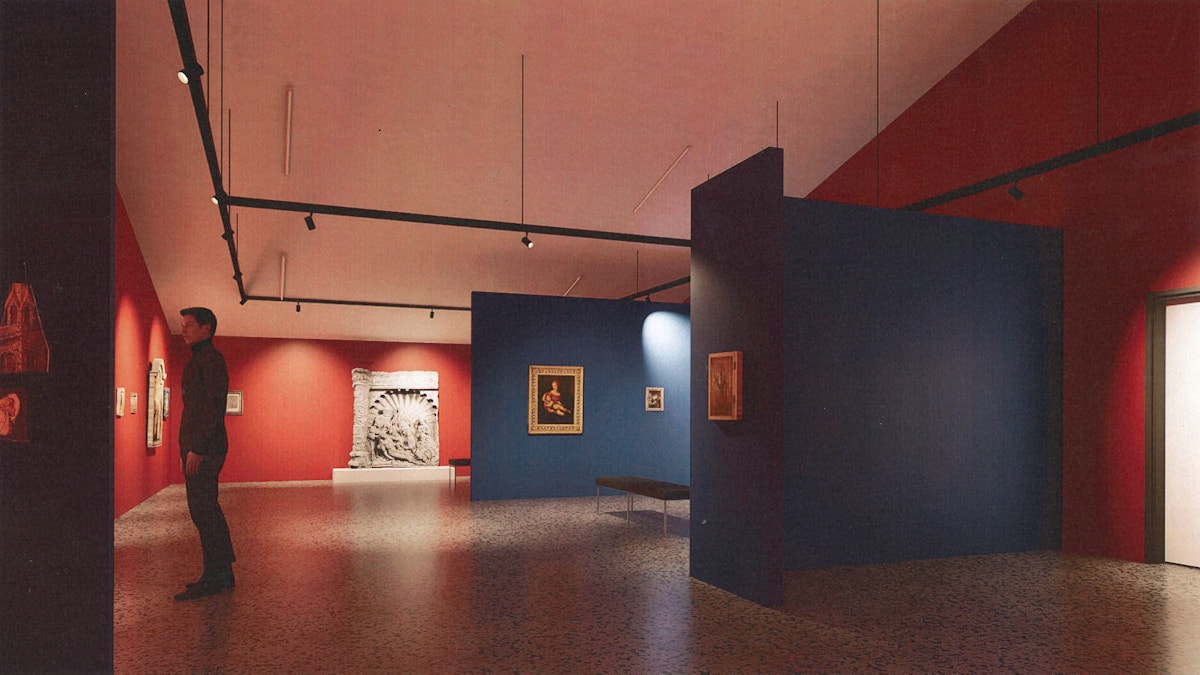
Dream becomes $1.7m reality at museum
Work has started on the $1.7m Abbey Museum Art Gallery and Café extension for paintings never put on display at the Caboolture attraction before. ** FREE TO READ **
The Latest
Changing to meet growth challenge
A new organisational structure has been introduced at Moreton Bay City Council to better support the challenges of population growth. ** FRFEE TO READ **

Supercross revving up for Redcliffe
The Australian Supercross Championship is coming back to Queensland for the first time in five years, with Redcliffe’s Kayo Stadium to host the opening round. ** FREE TO READ **

Balancing act for 'unique' Bribie
The future of Bribie Island’s national park – including a possible cap on vehicles on the beach in peak times – has been revealed in a long-awaited report. ** FREE TO READ **

Powering Bunya to state first
Moreton Bay City Council and green energy provider LGI have teamed-up to launch a Queensland first at Bunya. ** FREE TO READ **

Bowl and network free in Strathpine
All small business and startup owners are invited to the Moreton Bay Bowl and Mingle, a free networking event. Here's how to book your tickets. ** FREE TO READ **

Fighting cancer through art
Mother-of-three Rachel Bernardo will open an art exhibition in Redcliffe next month to help raise awareness of bowel cancer and funding for research. ** FREE TO READ **

Putting safety first for 35 years
Jenny Neate has been going to Bray Park State School for 35 years – and has no plans to stop. ** FREE TO READ **

Max powering towards Dolphins dream
Max Cunningham, who learned to swim at Grace Swimming Club, will next month line up alongside Australia’s sporting superstars. ** FREE TO READ **

Huge boost for Youth Foyer plans
The Foyer Foundation, which wants to build Youth Foyers in Caboolture and Mango Hill, has welcomed news of billions of dollars for housing in Tuesday’s Federal budget. ** FREE TO READ **

Trio named for national Exchange
Three Redcliffe students have been selected in Queensland squads for the Australian Schools Water Polo Exchange. ** FREE TO READ **