Samford Village
About Samford Village
Samford Village, known as Samford until 1981, is surrounded on three sides by Samford Valley.
After the subdivision of farms into acreage homesites commenced in the 1960s, Samford became a desirable rural residential address and hundreds of residents now commute from their homes to work in Brisbane. Only a small number of fully functioning farming properties still remain.
Samford Village is an idyllic picture of relaxed country living, it’s located close to the city but still feels a world away with its rolling hills, wide open spaces and country charm.
The town centre is a number of preserved heritage buildings, a fascinating history museum, gourmet character cafes, a century old pub, train-themed playground and quaint slab hut art and craft gallery.
Key local facilities in Samford Village include the community centre, Farmers Hall, multiple churches and a public swimming pool.
Samford Village is a small suburb only containing one primary school, Samford State School. More primary and secondary schools can be found in neighbouring suburbs.
Things to see and do in Samford Village
- The Store of Requirement
- Samford Museum
- John Scott Park
- The Flying Nun Café
- Pause Samford
- The Slab Hut and Art and Craft Gallery
- Samford Village Heritage Trail
History of Samford
Samford's very first inhabitants were an aboriginal tribe which belonged to the Waka language group, whose territory also included the upper Brisbane River and the South Burnett.
Being in a relatively secluded valley, the Samford area was not settled by Europeans until 1855 when the Samford pastoral run was taken up. Parts of the run, particularly fertile river flats, were subject to closer settlement in the late 1860s, and a primary school was opened in 1872. The Samford Range and Mount Nebo were harvested for cedar and hoop pine and the cleared land was used for dairying.
In 1919 the Farmers' Hall was opened by Samford farmers, coinciding with plans for soldier settlement farms in Highvale further west. The opening of the railway line (1919) through Samford, terminating at Dayboro, improved marketing conditions for dairying and banana growing.

Village bid for top state award
Samford Village is a finalist in the 2026 QTIC Tiny Tourism Town Awards, representing Moreton Bay against regional Queensland towns. Public voting is open until May 24, with winners to receive state-wide recognition and tourism promotion opportunities.

What’s on in 2026 with free community events across the City of Moreton Bay
A full calendar of free community events is being rolled out for 2026, giving locals clarity on what’s happening and when.

New parks for school holidays
Four new and upgraded parks are opening across the Moreton Bay region ahead of the spring school holidays.

World-first vaccine for koalas
An ecology and veterinary centre in the Moreton Bay region has helped develop a world-first vaccine to save koalas.

Parks and playgrounds poised for holiday fun
Looking for ways to get your kids active and outside these school holidays? Here’s eight parks across Moreton Bay that should do the trick.
Dream becomes $1.7m reality at museum
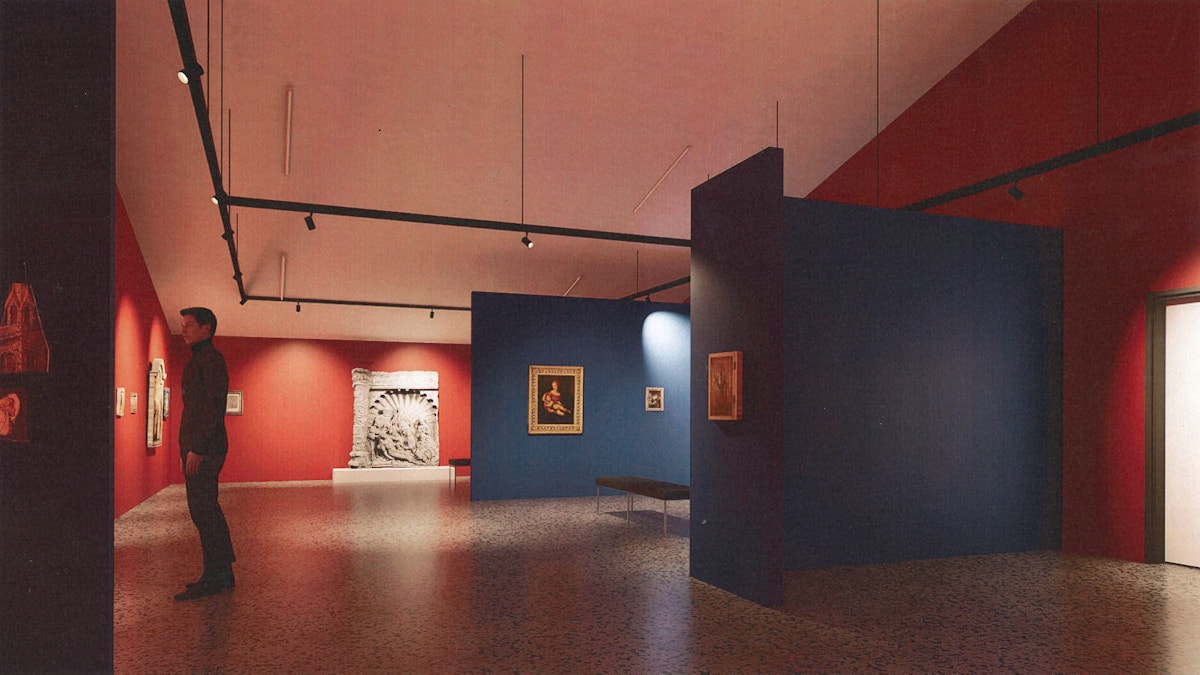
Work has started on the $1.7m Abbey Museum Art Gallery and Café extension for paintings never put on display at the Caboolture attraction before. ** FREE TO READ **
The Latest

Hoppo's safety message to Moreton Bay
Bondi Rescue lifeguard Bruce ‘Hoppo’ Hopkins has delivered an important summer safety message at two Moreton Bay aquatic centres.

Read anywhere with summer club
Residents are being invited to read “anywhere, anytime” at the City of Moreton Bay free Summer Reading Club, which has reopened.

National praise for "underdogs"
Flying “under the radar” helped Moreton City Excelsior in their stunning Australian Championship campaign, says one of its star midfielders.

Open invitation to market day
Residents at Bolton Clarke Inverpine retirement village in Murrumba Downs are preparing for their third annual Market Day.

Classic winners - where are they now?
Winners of the Cameron Smith Junior Classic, which tees off next week at Wantima Country Club, are now forging careers across the world.

Residents vow to fight school plan
Campaigners are rallying support to fight new plans for a 1550-student independent school on the former North Lakes golf course.

Bella medals on national debut
Narangba’s Bella Samson capped a remarkable national debut by twice stepping up onto the medal podium.

"Critical time" for museum
The campaign to save and “ensure the survival” of Caboolture Warplane Museum is gathering pace - and support.

Pitch perfect for cricket club
The Lakes Cricket Club will be calling Burpengary Sports Complex home for at least the next five years.

Surprise result in eDNA survey
A monitoring project has revealed platypus are more widespread in the City of Moreton Bay than first thought.